
Nest Run vs. Graded Eggs: Rules, Labels & What It Means for You
Learn the differences and how they affect quality, humane practices, and what you find at the farmer’s market.
Here’s how graded eggs differ from Nest Run options and why it matters to foodies, health-conscious shoppers, and people who value humane farming. The law requires producers who sell more than 25 cases (that’s 750 dozen) a year to grade their eggs. Graded eggs typically receive a Grade A label for quality, undergo candling (holding the egg to a light to inspect yolk and white), and meet USDA weight classes for sizes like small, medium, large, extra-large, and jumbo. Graded producers also face USDA inspections that promote consistency and traceability.
Nest Run provides a path for small flocks to reach local markets without grading. Nest Run producers sell under the 25-case threshold and offer eggs that stay unwashed and ungraded. That means you won’t see official sizes or a “fresh” label on nest run eggs, but you will often find hens raised in predator-safe coops or free-range pastures. If a producer sells 30 cases in a year, the law requires them to grade — so check labels and ask vendors at markets about their practices and sourcing.
About Our Eggs
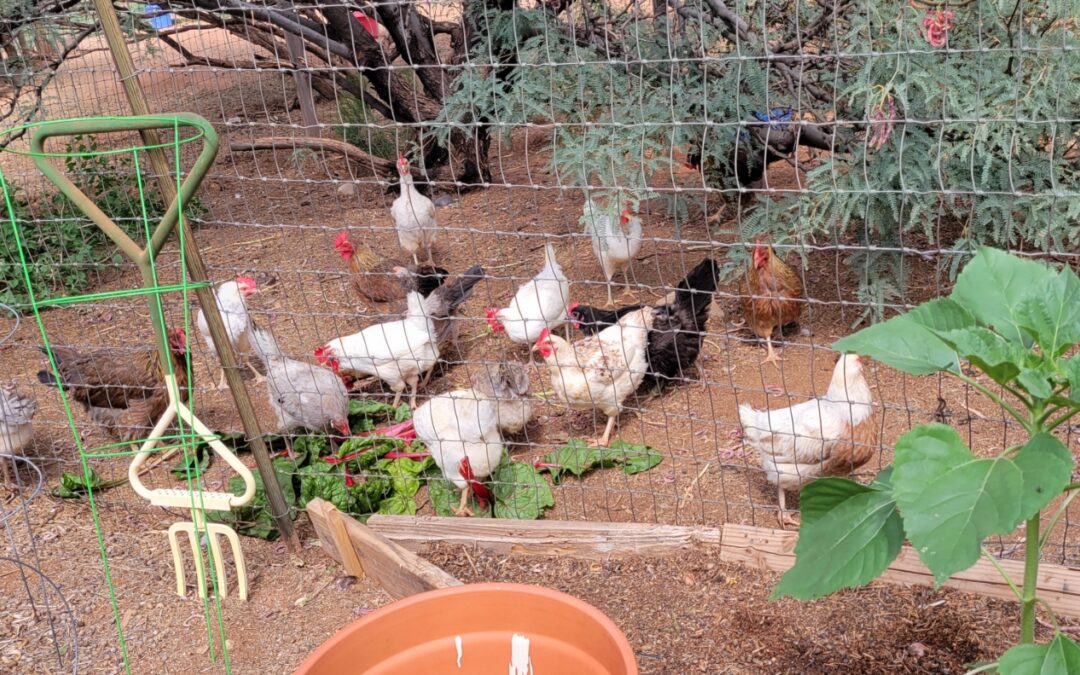
We sell Nest Run eggs produced from small-scale flocks. More than half of our hens are free-ranging; the rest live in a large, fenced habitat with frequent access to the goat pens. Three livestock guardian dogs help keep predators away so our birds forage safely. We never cull hens when they slow or stop laying — we let them live out their natural lives and put their experience to work raising chicks, tending compost piles, and hunting pests.
Many of our flocks include a rooster, so some eggs will be fertilized. Refrigeration stops embryo development; you can also look for a small white spot on the yolk as a sign an egg was fertile.
We collect eggs daily (twice daily in summer) and refrigerate them promptly. We don’t use antibiotics or hormones, and we feed a Project Verified Non-GMO diet plus targeted amino acids to support long-term hen health. We supplement their diet with garden greens like Swiss chard and allow them to eat garden pests such as grubs and hornworms — which adds to the flavor and nutrient variety in our eggs.
How to handle nest run eggs: these eggs keep their natural bloom (the shell’s protective coating), so rinse each egg in warm water right before you use it. Unwashed eggs will keep about two weeks at room temperature and last much longer refrigerated — we recommend refrigeration for best shelf life.
Want to learn more? Ask us at the market — we’ll answer any questions about how we raise our birds, handling, or humane practices.